Blog
Clinical informatics teams needs to shift success stats from quantity to quality
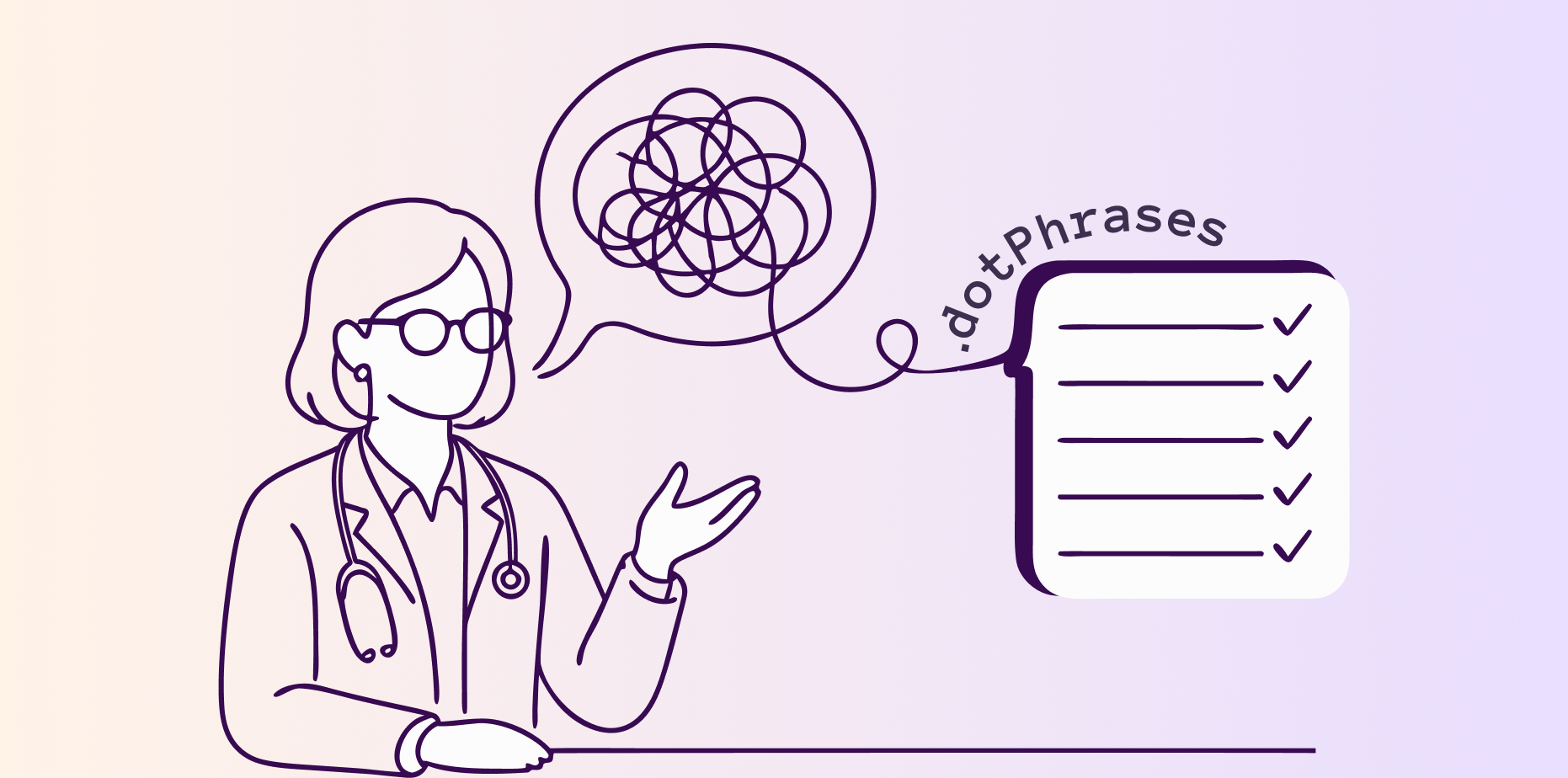
Without a clear view of how content is actually used, even the best teams end up prioritizing whichever request is loudest.

Clinical informatics teams needs to shift success stats from quantity to quality
Every health system has a library of clinical content inside its EHR: order sets, alerts, panels, dot phrases, documentation templates. Much of it was built with care, by people trying to make the right thing the easiest thing to do. And much of it has not been looked at closely since the day it went live.
That isn't a failure of effort. For two decades, EHR implementations demanded content and informatics teams delivered. Create, create, create. But the library grew faster than anyone's ability to maintain it, and success was measured by whether something got built, not whether it changed behaviors. Order sets drift as evidence evolves. Alerts accumulate. Clinicians develop workarounds. Without a clear view of how content is actually used, even the best teams end up prioritizing whichever request is loudest.
In the next 1-3 years, the most effective informatics programs will manage EHR content the way strong product teams manage software: by knowing what’s working and what’s not.
Usage data will become routine, not a special project. Teams will know which order sets are used, by whom, and in which departments, and they'll treat orders placed outside standard sets as a signal worth investigating. Alerts will be judged on override rates and clinician feedback, not just whether they fire. Every meaningful change will be measured before and after, so teams can show leadership what has improved.
Evidence review will become continuous. Instead of periodic audits that are often outdated by the time they finish, teams will know when new guidance touches content they already have.
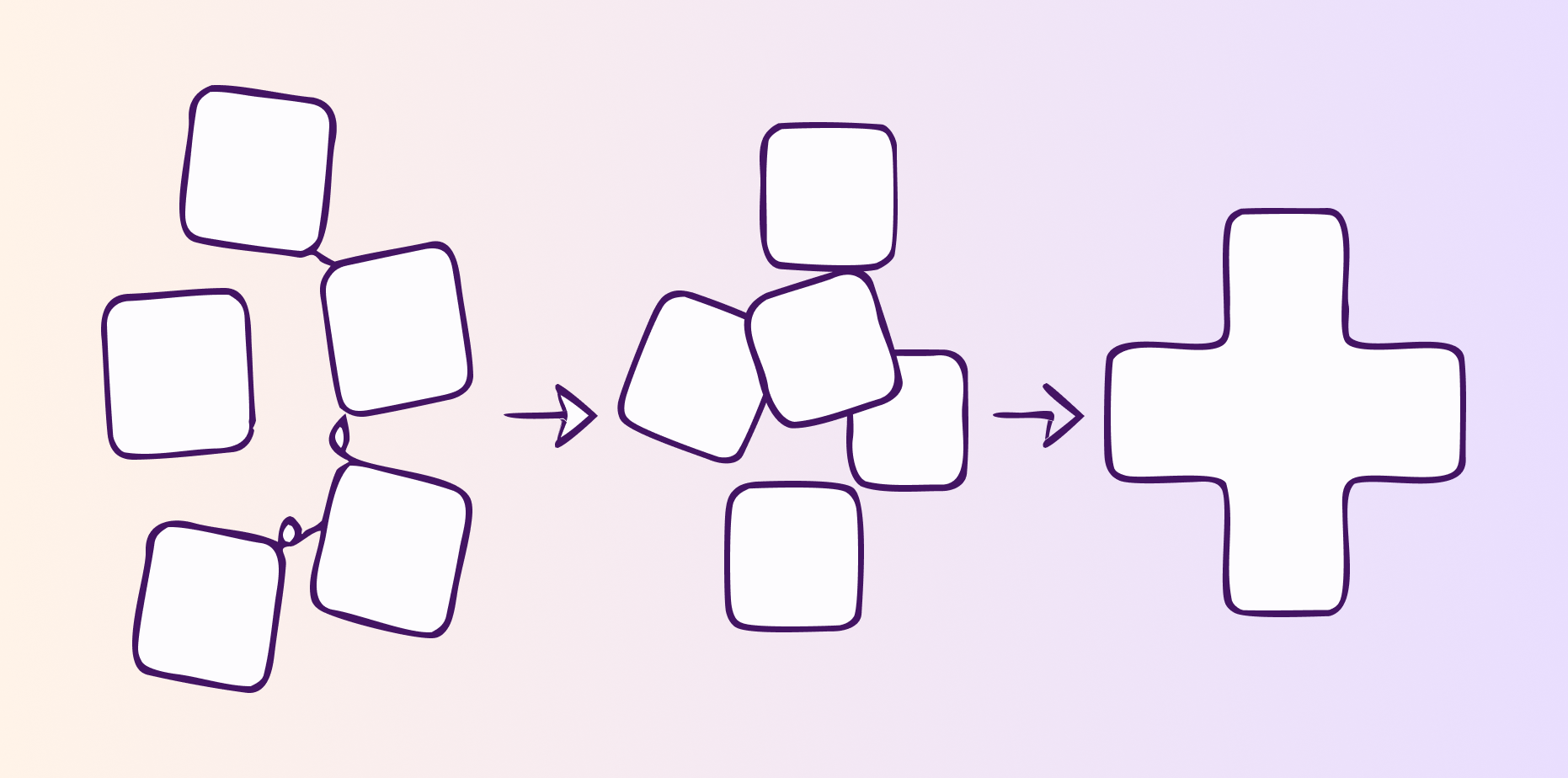
Governance will shift, too. As health systems grow through mergers and affiliations, content has to work across hospitals with different histories. The organizations that do this well will treat shared content as a reference that new sites can explore and adopt, rather than something handed down without context.
These three trends together also mean analytics must become more consistent. AI is making it easier to ask questions of clinical data, which raises the stakes on shared definitions. If "heart failure" can be pulled a dozen different ways, faster answers won’t automatically be correct or complete.
What practitioners can do today
First, find the root problem for every build request. Before saying yes to that build, ask what clinical, operational, or user experience problem the request will solve, and how you'll know if it worked. Phrase’s product lead, David Do, asks the “5 Whys”—for each request, ask “why” five times and you’ll get to the root issue. If the requestor can’t answer it, that’s a red flag.
Second, pick one high-volume area and measure it. A frequently used admission order set or a high-firing alert is a good start. Look at who uses it, what gets ordered alongside it, and how clinicians respond. One well-measured project builds the case for the next.
Third, agree on definitions and share what you find. Settle how key populations and measures are defined, then put the data in front of the clinical leaders, pharmacists, and analysts who live with the content every day. Some of the best improvement ideas come from people who were never part of the original build.
Looking ahead
I spent years in clinical roles wishing I had a clear view of how the tools we asked people to use were working. That view is now within reach for any health system willing to look. If the last era of clinical informatics was defined by how much we built, the next will be defined by how well we maintain it and communicate its value within our organizations.
Phrase Health is complementary to, and an extension of, your existing EHR's analytics tools. We pull your EHR’s live data into Phrase, so that you get a more intuitive UI and deeper analytics capabilities. See it all working together in a live demo.
Without a clear view of how content is actually used, even the best teams end up prioritizing whichever request is loudest.

Written by
Dr. Marc Tobias, MD, FAMIA
Nov 23, 2026
Written by
Dr. Marc Tobias, MD, FAMIA
Nov 23, 2026
Every health system has a library of clinical content inside its EHR: order sets, alerts, panels, dot phrases, documentation templates. Much of it was built with care, by people trying to make the right thing the easiest thing to do. And much of it has not been looked at closely since the day it went live.
That isn't a failure of effort. For two decades, EHR implementations demanded content and informatics teams delivered. Create, create, create. But the library grew faster than anyone's ability to maintain it, and success was measured by whether something got built, not whether it changed behaviors. Order sets drift as evidence evolves. Alerts accumulate. Clinicians develop workarounds. Without a clear view of how content is actually used, even the best teams end up prioritizing whichever request is loudest.
In the next 1-3 years, the most effective informatics programs will manage EHR content the way strong product teams manage software: by knowing what’s working and what’s not.
Usage data will become routine, not a special project. Teams will know which order sets are used, by whom, and in which departments, and they'll treat orders placed outside standard sets as a signal worth investigating. Alerts will be judged on override rates and clinician feedback, not just whether they fire. Every meaningful change will be measured before and after, so teams can show leadership what has improved.
Evidence review will become continuous. Instead of periodic audits that are often outdated by the time they finish, teams will know when new guidance touches content they already have.
Governance will shift, too. As health systems grow through mergers and affiliations, content has to work across hospitals with different histories. The organizations that do this well will treat shared content as a reference that new sites can explore and adopt, rather than something handed down without context.
These three trends together also mean analytics must become more consistent. AI is making it easier to ask questions of clinical data, which raises the stakes on shared definitions. If "heart failure" can be pulled a dozen different ways, faster answers won’t automatically be correct or complete.
What practitioners can do today
First, find the root problem for every build request. Before saying yes to that build, ask what clinical, operational, or user experience problem the request will solve, and how you'll know if it worked. Phrase’s product lead, David Do, asks the “5 Whys”—for each request, ask “why” five times and you’ll get to the root issue. If the requestor can’t answer it, that’s a red flag.
Second, pick one high-volume area and measure it. A frequently used admission order set or a high-firing alert is a good start. Look at who uses it, what gets ordered alongside it, and how clinicians respond. One well-measured project builds the case for the next.
Third, agree on definitions and share what you find. Settle how key populations and measures are defined, then put the data in front of the clinical leaders, pharmacists, and analysts who live with the content every day. Some of the best improvement ideas come from people who were never part of the original build.
Looking ahead
I spent years in clinical roles wishing I had a clear view of how the tools we asked people to use were working. That view is now within reach for any health system willing to look. If the last era of clinical informatics was defined by how much we built, the next will be defined by how well we maintain it and communicate its value within our organizations.