Blog
Why analytics teams need to shift from delivering data to delivering information
AI querying tools are making it faster and easier to turn natural language into SQL. That's a meaningful productivity shift, but speed doesn't fix an unclear question.

Why analytics teams need to shift from delivering data to delivering information
Ask any healthcare data analyst where their time goes, and the answer isn’t "writing the query."
It's the emails before the query, the clarifying questions, the revised requests, and the follow-up pulls after the first report didn't quite answer the original question. In other words, the bottleneck in healthcare analytics is a communication problem, not a technical one.
Here’s why this matters now, especially with the rise of AI-assisted querying, and what analytics teams can do about it.
The Real Delay Is During Intake
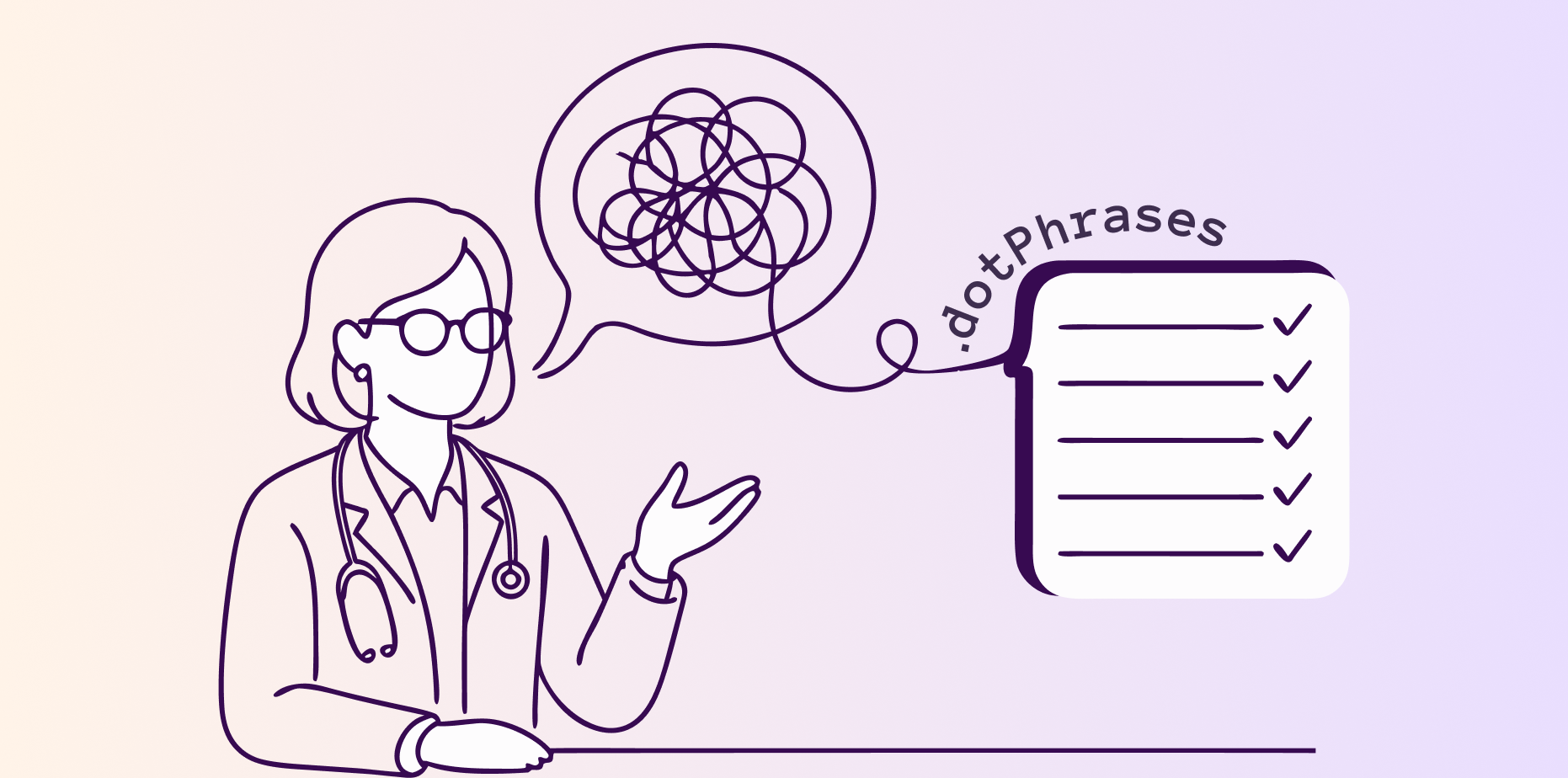
When a clinical or operational leader submits a data request, they typically know what outcome they care about, but not how to translate that outcome into a query.
They ask for "utilization data" when they're really trying to understand whether schedule templates are leaving capacity on the table.
They ask for "hemophilia patients seen by hematology" without realizing there are three different ways to define that relationship in the EHR.
Analysts who answer the literal question are doing their jobs. But analysts who surface the question behind the question are delivering something more useful: information that can support a decision.
The difference between those two outcomes happens well before anyone opens a query editor.
Ask for the Hypothesis First
One of the most practical habits I can share is this: before pulling any data, ask the requestor for their hypothesis. Not what they want to see, but what they want to understand, and what they would do differently depending on what the data shows.
This reframes the entire request.
You move from a question like:
"What's the average length of stay by unit?"
to
"I think clinicians are ordering inpatient MRIs for cases where outpatient imaging would be medically appropriate. I want to understand whether that's contributing to longer stays."
The second version tells the analyst what analysis to run, what comparison to build, and what format will actually be useful to the person reading it. (It’s also much harder to articulate!)
The tactic also surfaces a common pattern: requestors who believe data is the rate-limiting step when insights are the real gap. Data can test a hypothesis. It rarely generates one.
What AI Changes, and What It Doesn't
AI querying tools are making it faster and easier to turn natural language into SQL. For healthcare analytics teams, that's a meaningful productivity shift. But speed doesn't fix an unclear question. If a requestor doesn't know what they need, generating an answer in seconds rather than hours doesn't help.
What this means for analytics leaders is that question quality becomes the differentiator.
The teams that will get the most from AI-assisted querying are the ones that have already built habits around intake: asking for hypotheses, clarifying how results will be used, and pushing back when a request is likely to answer the wrong question.
Those habits don't become less important as querying gets easier. They become the work.
From Data to Information
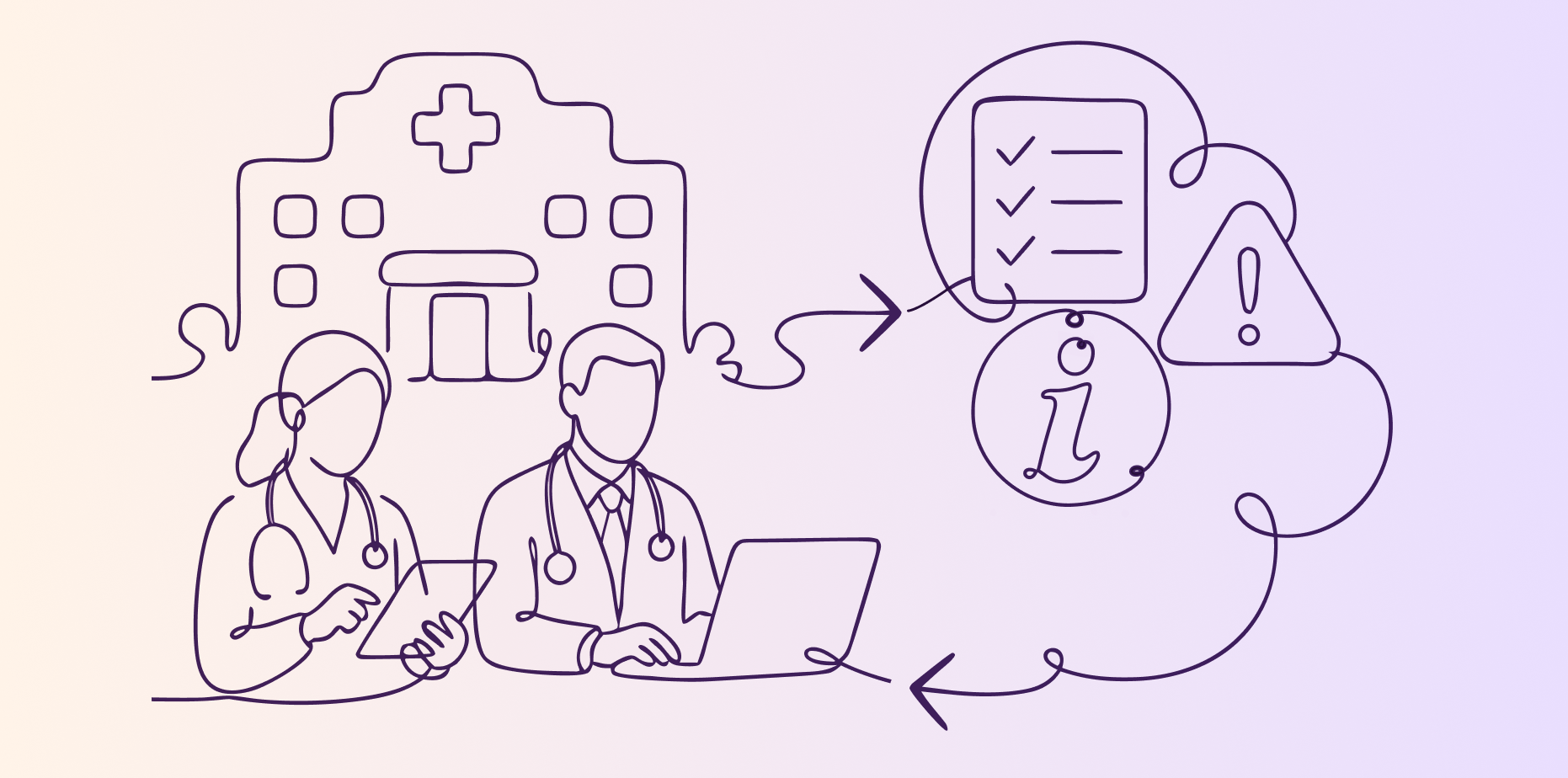
The underlying shift is a move from data delivery to information delivery. Requestors ask for data. What they need is a recommendation, an alert, or a clear signal about what to do next.
That shift requires analytics teams to do more than write accurate queries. It requires understanding the clinical or operational context well enough to know what question is worth answering, and what format will make the answer usable.
That's a skill that takes time to develop, and one that Query Concierge is built to support at-scale. We’re talking about this in-depth on our next webinar, where you’ll be able to see Query Concierge in action.
Register here: www.phrasehealth.com/resources/data-is-easy-questions-are-hard
AI querying tools are making it faster and easier to turn natural language into SQL. That's a meaningful productivity shift, but speed doesn't fix an unclear question.

Written by
Jul 15, 2026
Written by
Jul 15, 2026
Ask any healthcare data analyst where their time goes, and the answer isn’t "writing the query."
It's the emails before the query, the clarifying questions, the revised requests, and the follow-up pulls after the first report didn't quite answer the original question. In other words, the bottleneck in healthcare analytics is a communication problem, not a technical one.
Here’s why this matters now, especially with the rise of AI-assisted querying, and what analytics teams can do about it.
The Real Delay Is During Intake
When a clinical or operational leader submits a data request, they typically know what outcome they care about, but not how to translate that outcome into a query.
They ask for "utilization data" when they're really trying to understand whether schedule templates are leaving capacity on the table.
They ask for "hemophilia patients seen by hematology" without realizing there are three different ways to define that relationship in the EHR.
Analysts who answer the literal question are doing their jobs. But analysts who surface the question behind the question are delivering something more useful: information that can support a decision.
The difference between those two outcomes happens well before anyone opens a query editor.
Ask for the Hypothesis First
One of the most practical habits I can share is this: before pulling any data, ask the requestor for their hypothesis. Not what they want to see, but what they want to understand, and what they would do differently depending on what the data shows.
This reframes the entire request.
You move from a question like:
"What's the average length of stay by unit?"
to
"I think clinicians are ordering inpatient MRIs for cases where outpatient imaging would be medically appropriate. I want to understand whether that's contributing to longer stays."
The second version tells the analyst what analysis to run, what comparison to build, and what format will actually be useful to the person reading it. (It’s also much harder to articulate!)
The tactic also surfaces a common pattern: requestors who believe data is the rate-limiting step when insights are the real gap. Data can test a hypothesis. It rarely generates one.
What AI Changes, and What It Doesn't
AI querying tools are making it faster and easier to turn natural language into SQL. For healthcare analytics teams, that's a meaningful productivity shift. But speed doesn't fix an unclear question. If a requestor doesn't know what they need, generating an answer in seconds rather than hours doesn't help.
What this means for analytics leaders is that question quality becomes the differentiator.
The teams that will get the most from AI-assisted querying are the ones that have already built habits around intake: asking for hypotheses, clarifying how results will be used, and pushing back when a request is likely to answer the wrong question.
Those habits don't become less important as querying gets easier. They become the work.
From Data to Information
The underlying shift is a move from data delivery to information delivery. Requestors ask for data. What they need is a recommendation, an alert, or a clear signal about what to do next.
That shift requires analytics teams to do more than write accurate queries. It requires understanding the clinical or operational context well enough to know what question is worth answering, and what format will make the answer usable.
That's a skill that takes time to develop, and one that Query Concierge is built to support at-scale. We’re talking about this in-depth on our next webinar, where you’ll be able to see Query Concierge in action.
Register here: www.phrasehealth.com/resources/data-is-easy-questions-are-hard
.svg)
.svg)